

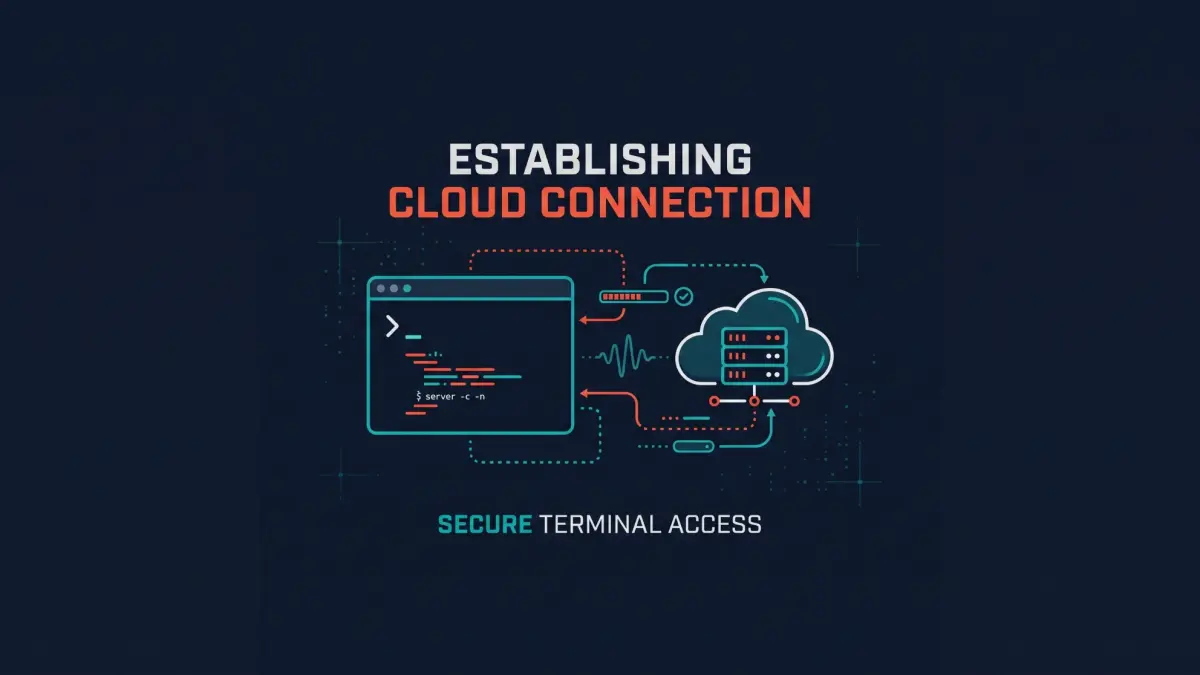

If you ask an AI coding assistant to run a massive test suite, your laptop fans will likely sound like a jet engine. Claude Code cloud sessions solve this by shifting the computational weight to Anthropic's servers.
Rather than relying on your local CPU and RAM, the tool spins up a temporary remote sandbox to execute commands, run tests, and validate code.
Quick Answer
Claude Code cloud sessions are temporary, managed remote environments hosted by Anthropic. Instead of running complex commands, tests, or builds on your local hardware, Claude executes them in an isolated sandbox. This frees up your system resources and is billed based on Anthropic's API token usage and compute time.
Key Takeaways
- Cloud sessions isolate execution from your local machine.
- Billing is tied directly to Anthropic API usage.
- Remote execution is ideal for heavy refactoring and full test suites.
- Code changes sync seamlessly back to your local repository.
Key Details
| Tool & Developer | Claude Code by Anthropic |
|---|---|
| Best For | Developers running resource-heavy workflows |
| Included in Plans | Requires funded Anthropic API account |
| Starting Price | Billed per token (at the time of writing) |
| Key Feature | Isolated remote sandboxing |
| Official Site | anthropic.com |
What Are Claude Code Cloud Sessions?
Claude Code cloud sessions act as an extension of your local terminal, but the actual work happens elsewhere. Anthropic built this feature so their AI could test and execute code independently without breaking your local environment.
Think of it like hiring a contractor who works in their own fully equipped workshop rather than your living room. You give them the blueprints, they do the messy construction off-site, and they deliver the finished product back to you.
This separation means your local machine stays fast and responsive. You avoid installing random dependencies just to let the AI test a single script.
How the Cloud Environment Actually Works
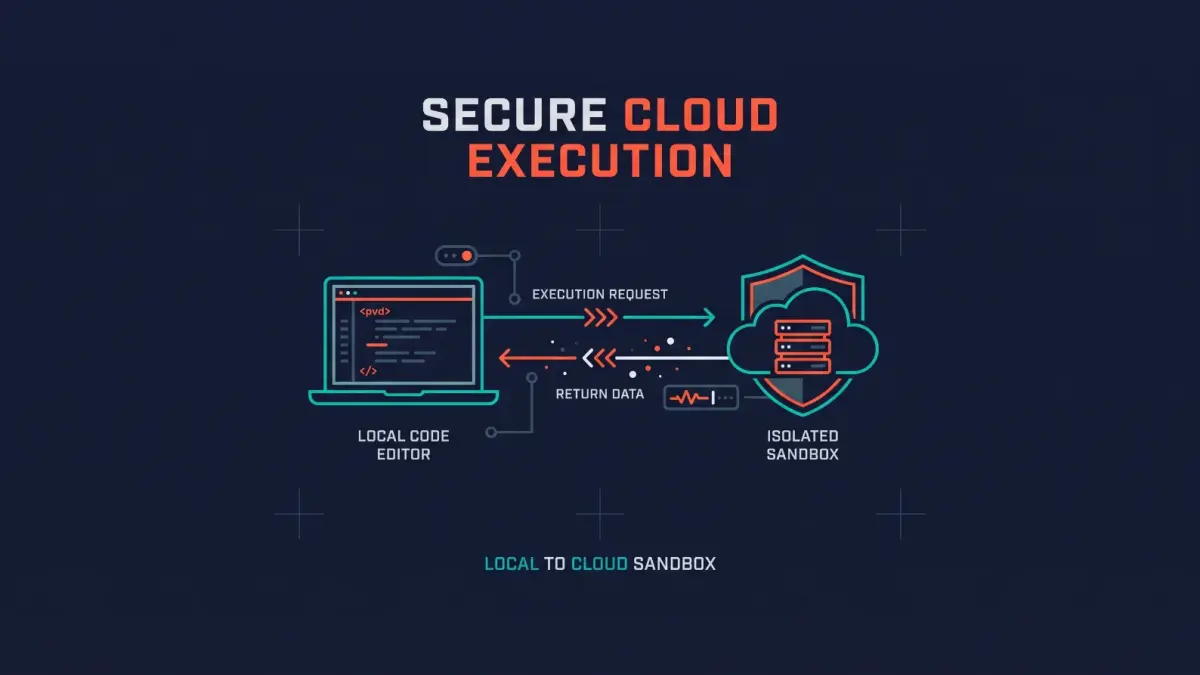
When you trigger a remote task, Claude Code packages the necessary context and sends it to a secure, isolated container. This container mimics a standard developer environment.
The AI runs its commands, checks for errors, and iterates on the code entirely within that sandbox. Once it finds a working solution, it syncs the final code changes back to your local machine for approval.
Because the environment is isolated, any broken dependencies or crashed servers happen in the cloud. Your local project remains completely unaffected until you accept the proposed changes.
Pro Tip: Always review the diffs carefully before accepting changes from a cloud session. Just because the code ran successfully in a pristine remote container does not guarantee it will immediately match your messy local configuration.
Pricing Breakdown: What Does It Cost?
Running remote compute is not free. Since Claude Code relies on the Anthropic API, cloud sessions impact your billing directly.
At the time of writing, Anthropic charges based on API token consumption. The longer a session runs and the more output it generates, the higher the cost.
Expected Cost Factors:
- Prompt Tokens: The context sent to the cloud, including your codebase snippets.
- Output Tokens: The code generated and the terminal logs produced during remote testing.
- Compute Time: Some complex builds can take minutes, rapidly increasing API calls.
If you have a funded API account, it pulls directly from that balance. You can partially offset these costs by applying promotions, such as the Claude Code Users Get Up to $250 Free Credit offer if you are eligible.
Ideal Use Cases for Remote Execution
Not every task requires a cloud session. If you just need a quick regex fix, local execution is much faster and cheaper.
Remote environments shine during heavy lifting. If you ask Claude to refactor an entire application architecture, it needs to run tests repeatedly to ensure it did not break anything. A cloud session handles this loop perfectly without freezing your IDE.
They are also great for testing deployment scripts or exploring new frameworks where you do not want to pollute your local machine with temporary packages.
Common Misconceptions
A frequent misunderstanding is that cloud sessions give Claude access to your entire local file system permanently. In reality, the tool only sends the specific files and context necessary for the current prompt.
Another myth is that it works offline. Since the heavy lifting happens on Anthropic's servers, you need a stable internet connection. If your connection drops, the session may terminate prematurely.
Final Thoughts
Claude Code cloud sessions offer a smart way to execute demanding tasks without slowing down your computer. They keep your local environment clean and allow the AI to test code independently.
However, you need to monitor your API usage. Treat these remote environments as a powerful tool for complex refactoring and large test suites, rather than a default setting for every small code tweak.
Check your Anthropic dashboard regularly to ensure your token costs align with the value you are getting.
Frequently Asked Questions
Do I need a paid subscription to use Claude Code cloud sessions?
Are my files secure when sent to the cloud session?
Can I run cloud sessions while offline?
Will cloud sessions alter my local files automatically?
How We Researched This & Why Trust Us: We reviewed Anthropic's official API and Claude Code release documentation to understand the remote execution architecture and token-based billing structure. We focused on practical workflows for developers rather than marketing claims.


Comments (0)
No comments yet. Be the first!
Leave a Comment